The Essential Guide to Finding the Perfect Printer for Everyday Use
A reliable home printer plays a vital role in managing daily activities such as school assignments, professional documents, and creative projects. Choosing the right printer requires a clear understanding of individual needs, as different households prioritize different features. Some users require high-quality photo printing, while others need fast and efficient document printing. Making the right choice ensures that the printer not only meets current requirements but also provides long-term value and reliability.
Modern printers are equipped with advanced features that enhance convenience and usability. Wireless connectivity, mobile printing, and cloud integration allow users to print from multiple devices with ease. Additionally, compact designs make it possible to fit a printer into small spaces without compromising functionality. By focusing on performance, cost efficiency, and durability, a user can select a printer that simplifies everyday tasks and delivers consistent results.
Types of Printers Suitable for Home Use
Understanding the different types of printers available is essential for making an informed decision. Inkjet printers are widely used in households due to their affordability and ability to produce vibrant color prints. They are ideal for printing photos, creative projects, and occasional documents. Their versatility makes them a popular choice for families and individuals who need a multi-purpose device.
Laser printers are designed for speed and efficiency, making them suitable for users who frequently print large volumes of text documents. They produce sharp and clear text, ensuring professional-quality output. Although they may have a higher upfront cost, their long-term efficiency often makes them a better investment. All-in-one printers combine printing, scanning, and copying functions, offering convenience and versatility in a single device.
Benefits of Inkjet Printers
Inkjet printers are known for their ability to produce high-quality color prints with excellent detail. They are particularly useful for printing photos and graphics, making them a favorite among creative users. Their compact size allows them to fit easily into small spaces, which is ideal for home offices or shared living areas. Many models also support wireless connectivity, enabling users to print directly from smartphones and tablets.
However, inkjet printers require regular use to maintain performance. If left unused for long periods, the ink may dry out, leading to maintenance issues. Replacement cartridges can also be expensive, increasing long-term costs. Despite these challenges, newer models with refillable ink systems have made inkjet printers more cost-effective, providing a practical solution for users who need high-quality output at a reasonable price.
Why Laser Printers Are Efficient
Laser printers are designed to handle high-volume printing tasks with speed and precision. They are ideal for users who need to print large quantities of documents quickly and efficiently. Their ability to produce sharp and consistent text makes them suitable for professional and academic use. Laser printers are also known for their durability, allowing them to perform reliably over extended periods.
While the initial cost may be higher, laser printers often have lower operating costs compared to inkjet models. Toner cartridges last longer, reducing the need for frequent replacements. This makes them a cost-effective option for users who print regularly. However, they are not the best choice for photo printing, as their strength lies in producing clear text rather than detailed color images.
Key Features to Evaluate Before Buying
Selecting the right printer involves evaluating several important features that directly impact performance and usability. Print quality is one of the most critical factors, especially for users who require clear text and vibrant images. A higher resolution ensures better output, making it suitable for tasks that demand precision and detail. Print speed is another important consideration, particularly for users who need quick results.
Connectivity options have become increasingly important in modern printers. Wireless connectivity allows users to print from multiple devices without the need for cables. Mobile printing and cloud integration further enhance convenience by enabling users to print from anywhere within the network. These features make everyday printing tasks more efficient and user-friendly, ensuring a seamless experience.
Cost, Maintenance, and Efficiency
The cost of a printer extends beyond its purchase price. Long-term expenses, including ink or toner replacement, maintenance, and energy consumption, must be taken into account. Some printers may appear affordable initially but have high operating costs, making them less economical over time. Evaluating the cost per page helps users understand the true value of a printer.
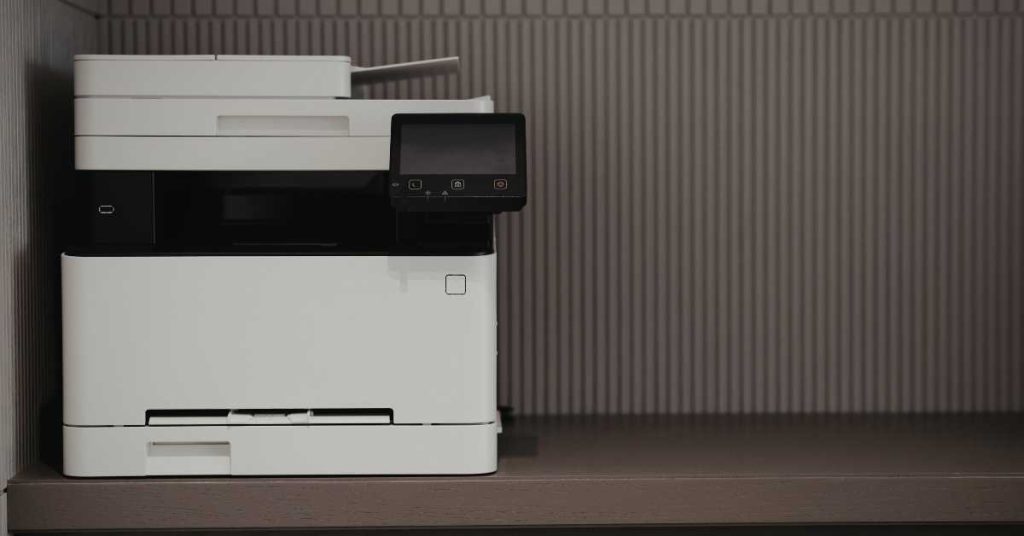
Energy efficiency is another important factor for modern households. Many printers are designed to consume less power, reducing electricity bills while minimizing environmental impact. Choosing a printer with affordable and easily available supplies ensures uninterrupted usage. By considering both initial and ongoing costs, users can make a smart investment that delivers consistent performance and long-term value.
Modern Features and Smart Printing Technology
Advancements in technology have significantly improved the functionality of home printers. Wireless connectivity has become a standard feature, allowing seamless integration with various devices. This eliminates the need for complicated setups and makes printing more accessible. Mobile printing applications enable users to send documents directly from their smartphones, adding convenience to everyday tasks.
Cloud printing is another innovative feature that enhances usability. It allows users to print documents stored online without downloading them to a local device. This is particularly useful for remote workers and students who rely on cloud storage. According to an expert printer selection resource, modern printers are designed to support flexible workflows and adapt to evolving user needs.
Space-Saving Design and User Comfort
Space is often a major consideration when choosing a printer for home use. Compact and lightweight designs are ideal for small living spaces or home offices with limited room. Manufacturers are increasingly focusing on creating printers that are both functional and visually appealing, ensuring they blend seamlessly with the home environment.
Noise levels also play an important role in user comfort. Quiet operation is essential in shared spaces, as it prevents distractions during work or study. Printers with noise reduction features provide a more pleasant experience, making them suitable for households where multiple people share the same area. By considering both design and functionality, users can select a printer that meets their needs effectively.
Balancing Budget and Performance
Finding the right balance between budget and performance is crucial when selecting a home printer. High-end models often come with advanced features and superior performance, but they may not be necessary for every household. Identifying specific needs helps users avoid unnecessary expenses while ensuring that the printer meets their requirements.
Budget-friendly printers can still deliver reliable performance if chosen carefully. Many affordable models offer essential features such as wireless connectivity and decent print quality. However, it is important to consider long-term costs, as cheaper printers may require frequent ink or toner replacements. By evaluating both upfront and ongoing expenses, users can make a cost-effective decision that provides excellent value.
The Importance of Proper Research
Conducting thorough research before purchasing a printer is essential for making an informed decision. Comparing different models, reading user reviews, and understanding technical specifications can help users identify the best option for their needs. Reliable online resources provide valuable insights into the performance and reliability of various printers.
For those seeking expert guidance, exploring resources like Best Printer for Home can simplify the decision-making process. These guides highlight key features, advantages, and potential drawbacks of different models, helping users choose a printer that aligns with their requirements. A well-researched choice ensures long-term satisfaction and usability.
Long-Term Value and Future Readiness
Investing in a printer that offers long-term value is essential for maximizing benefits. Future readiness involves choosing a model that can adapt to evolving technology and user requirements. Features such as firmware updates, compatibility with new devices, and support for advanced printing technologies ensure that the printer remains relevant over time.
Durability is another important factor to consider. A well-built printer can handle regular use without frequent breakdowns, reducing maintenance costs and ensuring consistent performance. Choosing a reputable brand with strong customer support provides additional peace of mind. By focusing on long-term value, users can make a smart investment that delivers efficiency and convenience.
Making the Final Choice
Selecting the ideal printer for home use requires careful evaluation of various factors, including type, features, cost, and long-term value. By understanding individual needs and exploring available options, users can find a printer that perfectly matches their requirements. Whether it is for schoolwork, professional tasks, or creative projects, the right printer can significantly enhance productivity.
A thoughtful approach ensures that the chosen printer delivers consistent performance and reliability. With continuous advancements in technology, modern printers offer a wide range of features that cater to diverse needs. By prioritizing quality, efficiency, and affordability, households can enjoy a seamless printing experience that supports their daily activities and improves overall convenience.